Here’s an HTML snippet outlining the expected COMELEC results of 2025.
Predicting the exact outcome of the 2025 Philippine elections is impossible this far out, but we can analyze potential trends and factors influencing the COMELEC results for both the national and local races.
National Level (Senate and Party-List)
The Senate race will likely see a mix of seasoned politicians, newcomers with strong public profiles (such as celebrities or social activists), and representatives from established political dynasties. The COMELEC’s role will be crucial in ensuring fair campaign practices and combating disinformation, which significantly impacts voter choices. Key factors influencing Senate results include:
- Endorsements: Presidential and influential political figures’ endorsements will hold considerable weight, particularly in regions where they have strong support.
- Name Recall: Candidates with pre-existing name recognition, whether through previous political office or other public platforms, have an initial advantage.
- Platform and Messaging: The effectiveness of a candidate’s platform in addressing key issues like inflation, jobs, healthcare, and education will be critical.
- Coalitions and Alliances: The strength and unity of political coalitions will impact the resources and organizational support available to senatorial candidates.
- Social Media Influence: A candidate’s ability to effectively use social media to reach voters, disseminate information, and combat negative narratives will be a deciding factor.
The Party-List elections, aimed at representing marginalized sectors, are often complex. COMELEC will play a vital role in accrediting legitimate organizations and preventing abuse of the system by groups not genuinely representing these sectors. Voters will need to carefully scrutinize the track record and actual representation provided by each party-list organization.
Local Level (Governors, Mayors, and Local Legislators)
Local elections are often heavily influenced by local dynamics, including clan rivalries, patronage politics, and specific regional issues. Factors impacting local results include:
- Local Political Dynasties: Established political families often wield considerable power and resources, making it challenging for challengers to unseat them.
- “Gandang Laban” Principles: While awareness is growing, the COMELEC faces challenges in ensuring a level playing field and combating vote-buying and intimidation, particularly in areas with a history of electoral violence.
- Local Issues: Issues such as infrastructure development, public services, and local economic opportunities will be central to voters’ decision-making.
- Candidate Performance: The perceived competence and integrity of candidates will heavily influence voters’ choices. Town hall meetings and public debates, if well-organized, can be impactful.
The COMELEC will face significant challenges in ensuring the integrity and transparency of the 2025 elections. These challenges include combating disinformation, preventing voter fraud, and ensuring that the electoral process is accessible to all eligible voters. The level of public trust in the COMELEC will also be a crucial factor in shaping the perception of the election results.
Ultimately, the results of the 2025 elections will depend on a complex interplay of factors, including candidate qualifications, campaign strategies, voter turnout, and the effectiveness of the COMELEC in ensuring a fair and transparent electoral process. Continuous voter education and vigilance are key to a truly representative outcome.
 1200×630 comelec sees faster transparent poll results from www.panaynews.net
  1280×814 comelec rapid progress polls malaysia from my.headtopics.com
  1200×1835 comelec resolution daisy quinn from daisyquinn.pages.dev
  620×877 comelec resolution election matty courtenay from catheeasemollie.pages.dev
  800×533 comelec prepares polls philstarcom from www.philstar.com
  1200×600 comelec chair ensures transparent midterm elections daily guardian from dailyguardian.com.ph
  1200×675 comelec suspends printing ballots polls inquirernet from www.inquirer.net
  1200×800 comelec million voters registered eleksyon from philippinetribune.net
  1280×672 comelec exempts dswd programs elections spending ban from id.headtopics.com
 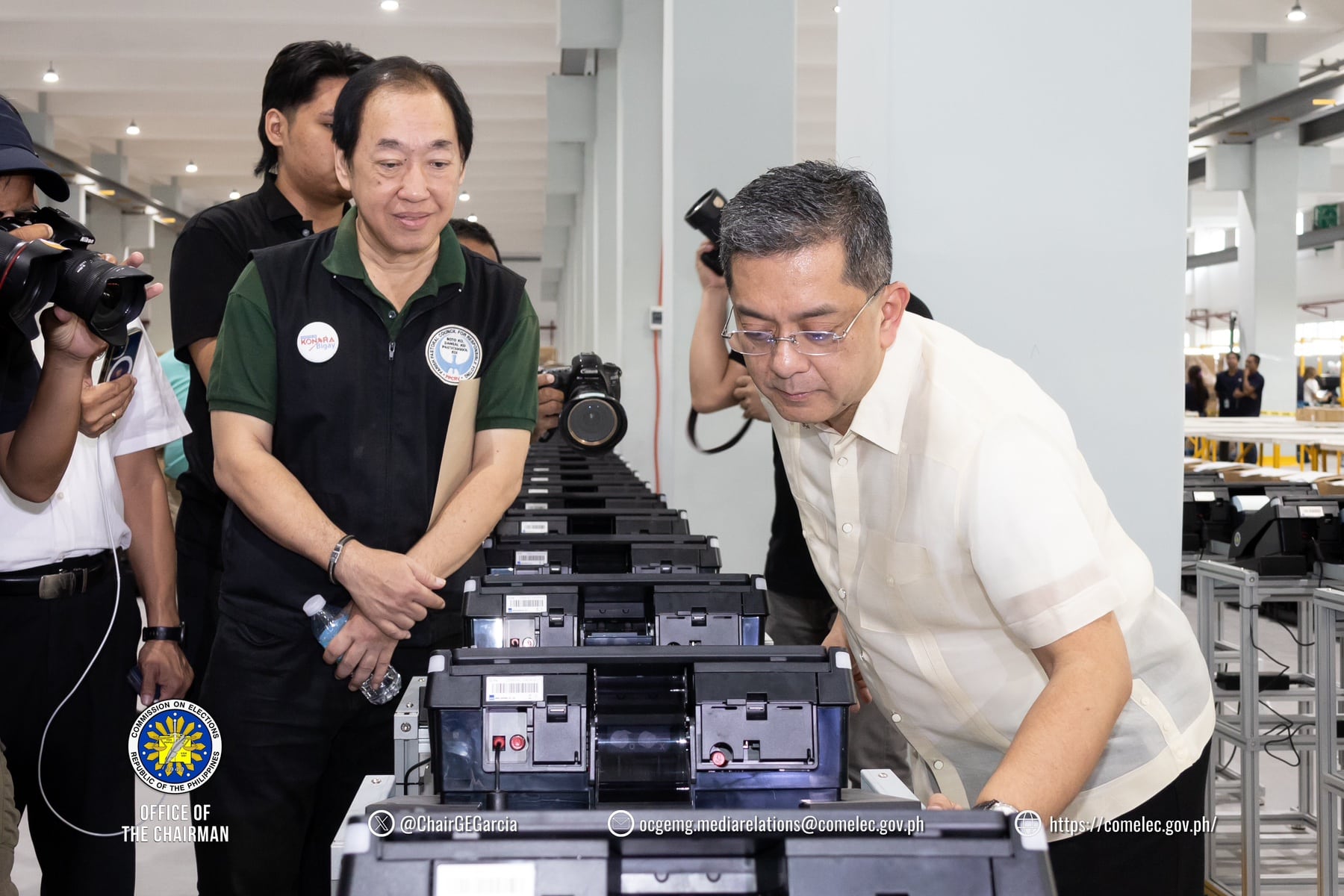 1800×1200 comelec receives bulk automated counting machines polls from www.inquirer.net
  2560×1707 results comelec raffle determine order party list groups from www.rappler.com
  1778×1186 ballots polls printed comelec inquirernet from www.inquirer.net
  1280×720 opinion comelecs credibility elections from www.rappler.com
  1200×800 comelec precinct list polls voters inquirernet from www.inquirer.net
 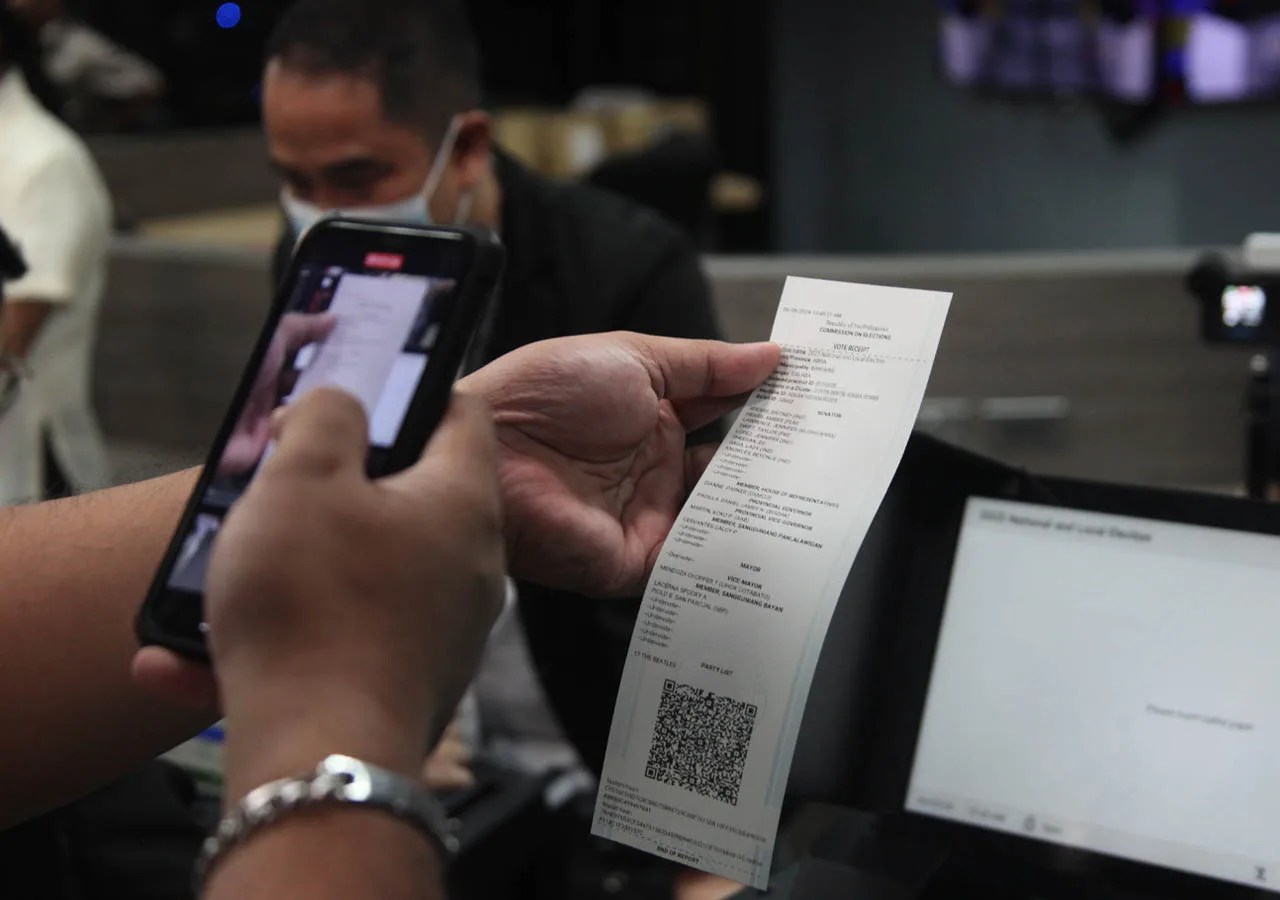 1280×900 comelec reveals advanced voting tech midterms election amaps from scoutmediaph.rappler.com
  1881×927 comelec voters eleksyon single from www.gmanetwork.com
  1200×628 comelec issues rules incoming elections amaps from scoutmediaph.rappler.com
  1280×838 comelec turns party lists elections italia from it.headtopics.com
  1200×795 comelec reprinting ballots elections history from www.inquirer.net
  1200×791 comelec prepares busy election year voting systems from www.newsminimalist.com
  2250×1467 comelec names places areas threats from www.inquirer.net
  1920×1080 comelec reset village youth polls congress politicoph from politico.ph
  1800×1200 comelec targets voters polls from www.magzter.com
  1536×1149 comelec keen changing quality ballots polls from www.inquirer.net
  1200×803 comelec target ballots polls printed from www.inquirer.net
  792×593 comelec eleksyon aspirants registered social media from www.dwrscommandoradio.com
  1280×853 comelec eyes annulment voters list elections politics from my.headtopics.com
  800×533 comelec drops calendar midterm elections philstarcom from qa.philstar.com
  1280×815 comelec delists voters polls national local from my.headtopics.com
  1536×952 petition kick smartmatic midterm polls submitted from newsinfo.inquirer.net
  1024×576 comelec adjusts pre enrollment period overseas voting from theglobalfilipinomagazine.com
  480×270 comelec releases candidate qualifications polls from tribune.net.ph