Recep Tayyip Erdoğan
Recep Tayyip Erdoğan is a Turkish politician who has served as the President of Turkey since 2014. His career in Turkish politics spans several decades, marked by significant transformations in the country’s political and social landscape.
Born in Istanbul in 1954, Erdoğan’s early career involved local politics. He served as the Mayor of Istanbul from 1994 to 1998, a period marked by improvements in the city’s infrastructure and services. However, his tenure was cut short when he was convicted on charges of inciting religious hatred and sentenced to a brief prison term.
In 2001, Erdoğan co-founded the Justice and Development Party (AK Party), which quickly gained popularity due to its focus on economic reform and social conservatism. The AK Party won a landslide victory in the 2002 general election, and Erdoğan became Prime Minister in 2003 after a ban on his political participation was lifted. As Prime Minister, he oversaw a period of significant economic growth, increased foreign investment, and implemented various social reforms, including expanding healthcare access and educational opportunities.
His administration also initiated negotiations for Turkey’s accession to the European Union, although these talks have since stalled. During his time as Prime Minister, Turkey experienced a shift in its foreign policy, becoming more assertive in regional affairs.
In 2014, Erdoğan was elected President of Turkey, the first directly elected president in the country’s history. Following a constitutional referendum in 2017, Turkey transitioned to an executive presidential system, granting the presidency broader powers. Critics argue that this shift has led to increased authoritarianism and a decline in democratic freedoms, citing concerns about freedom of speech, press, and assembly.
Erdoğan’s presidency has been marked by both successes and controversies. Supporters praise his strong leadership, economic achievements, and efforts to modernize Turkey. Detractors criticize his increasingly authoritarian tendencies, crackdowns on dissent, and involvement in regional conflicts. His government’s response to the 2016 coup attempt led to widespread arrests and purges within the civil service, military, and judiciary, raising concerns about human rights and the rule of law. His foreign policy has been characterized by assertive interventions in neighboring countries, particularly Syria and Libya, and strained relations with some Western allies.
Recep Tayyip Erdoğan remains a highly influential and polarizing figure in Turkish politics, and his actions continue to shape Turkey’s domestic and international trajectory.
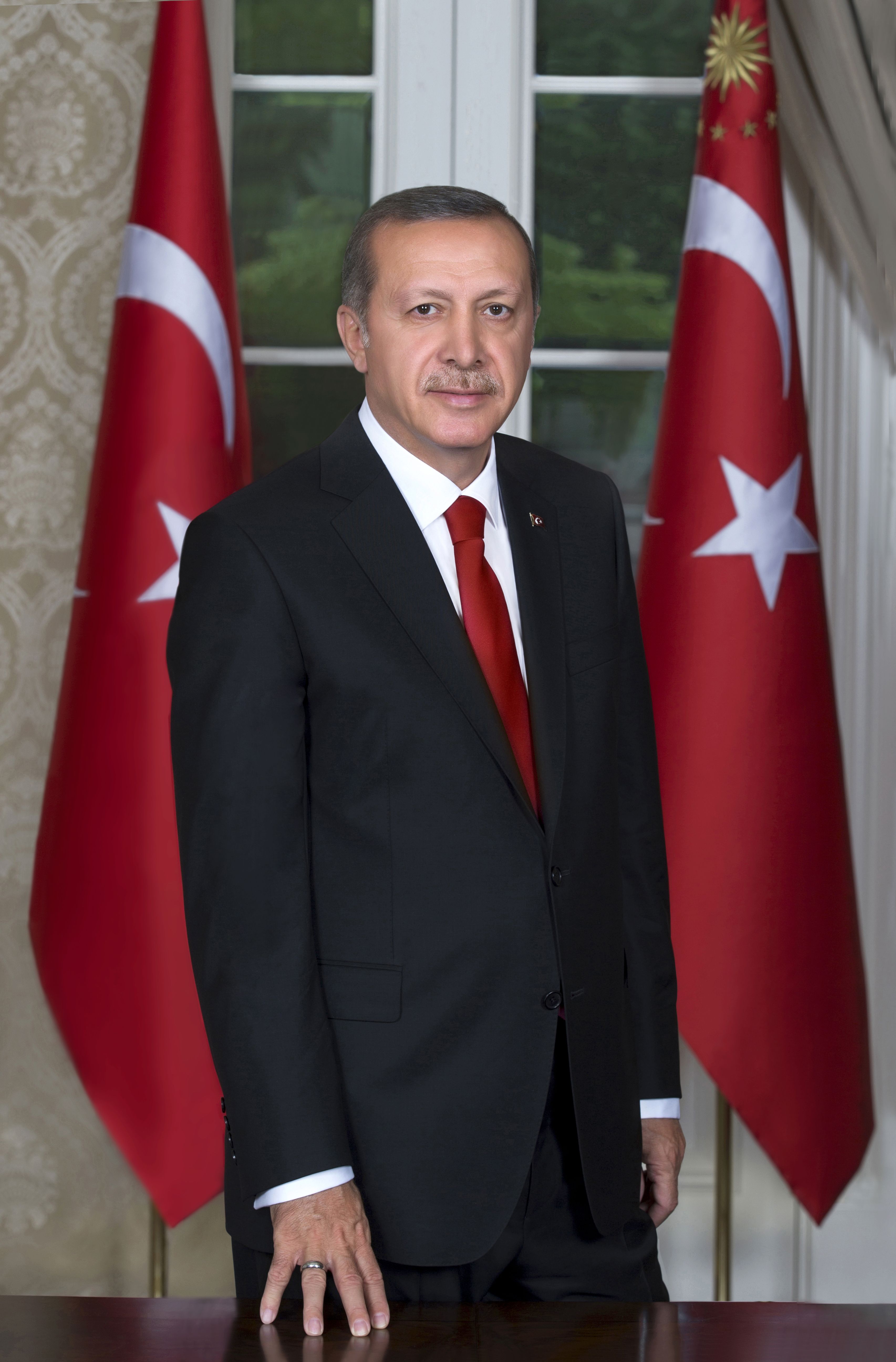 3411×5184 recep tayyip erdogan wallpapers wallpaper cave from wallpapercave.com
  474×266 recep tayyip erdogan facts bio career net worth aidwiki from aidwiki.com
  500×700 recep tayyip erdogan height weight age spouse family biography from healthyceleb.com
  474×306 recep tayyip erdogan president protests religion facts britannica from www.britannica.com
  736×1073 recep tayyip erdogan celebrity biography zodiac sign famous quotes from www.thefamousbirthdays.com
  576×480 recep tayyip erdogan height weight age wife political journey from starsunfolded.com
  4169×3175 recep tayyip erdogan donald trump aids turkey relations time from time.com
  426×600 recep tayyip erdogan fan casting from www.mycast.io
  605×600 en guzel recep tayyip erdogan resimleri uludag sozluk galeri from galeri.uludagsozluk.com
  1024×715 cumhurbaskani recep tayyip erdogan anadolu images from anadoluimages.com
  1000×1000 recep tayyip erdogan medium from medium.com
  900×900 recep tayyip erdogan wikitubia fandom from youtube.fandom.com
  1600×1062 president recep tayyip erdogan turns daily sabah from www.dailysabah.com
  1600×1161 recep tayyip erdogan editorial stock image image mayor from www.dreamstime.com
  2000×1333 captivating facts recep tayyip erdogan factsnet from facts.net
  2048×1152 recep tayyip erdogan turkeys president world news sky news from news.sky.com
  2000×1500 recep tayyip erdogan biography childhood life achievements timeline from www.thefamouspeople.com
  3000×2387 recep tayyip erdogan net worth comprehensive analysis from accuratepulse.blob.core.windows.net
  2048×1152 recep tayyip erdogan serving sultan thetrumpetcom from www.thetrumpet.com
  791×1080 top outstanding facts recep tayyip erdogan discover walks blog from www.discoverwalks.com
  2560×1693 recep tayyip erdogan young religion party previous offices from abtc.ng
  2048×1365 recep tayyip erdogan declares victory leading turkeys runoff from www.jantakareporter.com
  1021×988 recep tayyip erdogan uludag sozluk galeri from galeri.uludagsozluk.com
  2200×2147 pms meeting president republic turkiye recep from www.pmindia.gov.in
  634×908 recep tayyip erdogan kimdir biyografi from www.biyografi.net.tr
  761×824 recep tayyip erdogan resimleri from desktopresim.blogspot.com.tr