Here’s an HTML-formatted piece about nuclear radiation concerns in Pakistan, aimed for a general audience and roughly 500 words: “`html
Pakistan and Nuclear Radiation: Understanding the Concerns
Pakistan, as a nuclear-armed nation, faces unique challenges related to nuclear radiation. While the country maintains a civilian nuclear energy program contributing to its electricity generation, concerns remain about safety, security, and potential environmental impacts.
Nuclear Facilities and Safety
Pakistan’s nuclear power plants are regulated by the Pakistan Nuclear Regulatory Authority (PNRA), which is responsible for ensuring safety standards are met. These plants are designed with multiple safety layers to prevent accidents and minimize radiation release. However, as with any nuclear facility, the risk of accidents, though statistically low, cannot be completely eliminated. Historical incidents, even minor ones, raise public apprehension. Transparency regarding these events and the measures taken to prevent recurrence is crucial for building public trust.
Radioactive Waste Management
The management of radioactive waste is a significant challenge globally, and Pakistan is no exception. Proper handling, storage, and disposal of nuclear waste are essential to prevent environmental contamination and health risks. Secure storage facilities are needed to isolate radioactive materials for extended periods. The long-term disposal strategy is another area needing careful planning and execution. Public access to information about waste management procedures is vital.
Illicit Trafficking and Nuclear Security
A significant concern involves the potential for illicit trafficking of radioactive materials. Securing nuclear materials to prevent them from falling into the wrong hands is a top priority for Pakistan. Robust security measures at nuclear facilities and stringent border controls are necessary to deter theft and smuggling. International cooperation in monitoring and preventing nuclear proliferation is also essential.
Environmental Monitoring
Regular environmental monitoring around nuclear facilities is necessary to detect any radiation leaks or contamination. Establishing and maintaining comprehensive monitoring programs and making the data publicly available are essential for safeguarding public health and the environment. Independent verification of these monitoring results can further enhance public confidence.
Health Concerns and Public Awareness
Exposure to high levels of radiation can cause serious health problems, including cancer. It’s important for the public to be aware of the potential risks and the measures taken to protect them. Education campaigns on radiation safety and emergency preparedness are crucial. Access to accurate information and clear communication from authorities during emergencies are essential for minimizing panic and ensuring public safety.
Looking Ahead
Addressing concerns about nuclear radiation in Pakistan requires a multi-faceted approach: strengthening regulatory oversight, enhancing security measures, improving waste management practices, promoting transparency, and fostering public awareness. Continuous investment in research, technology, and training is vital to ensure the safe and responsible use of nuclear technology in Pakistan.
“`
 1912×1360 pakistan nuclear pakistanpolitico from pakistanpolitico.com
  3438×2158 strategic overview nuclear pakistan pakistanpolitico from pakistanpolitico.com
  1280×720 pakistans nuclear capabilities startup pakistan from startuppakistan.com.pk
  495×640 nuclear power pakistan from www.slideshare.net
495×640 nuclear power pakistan from www.slideshare.net  592×444 pakistan nuclear power zartash pakistan from zartash.pk
 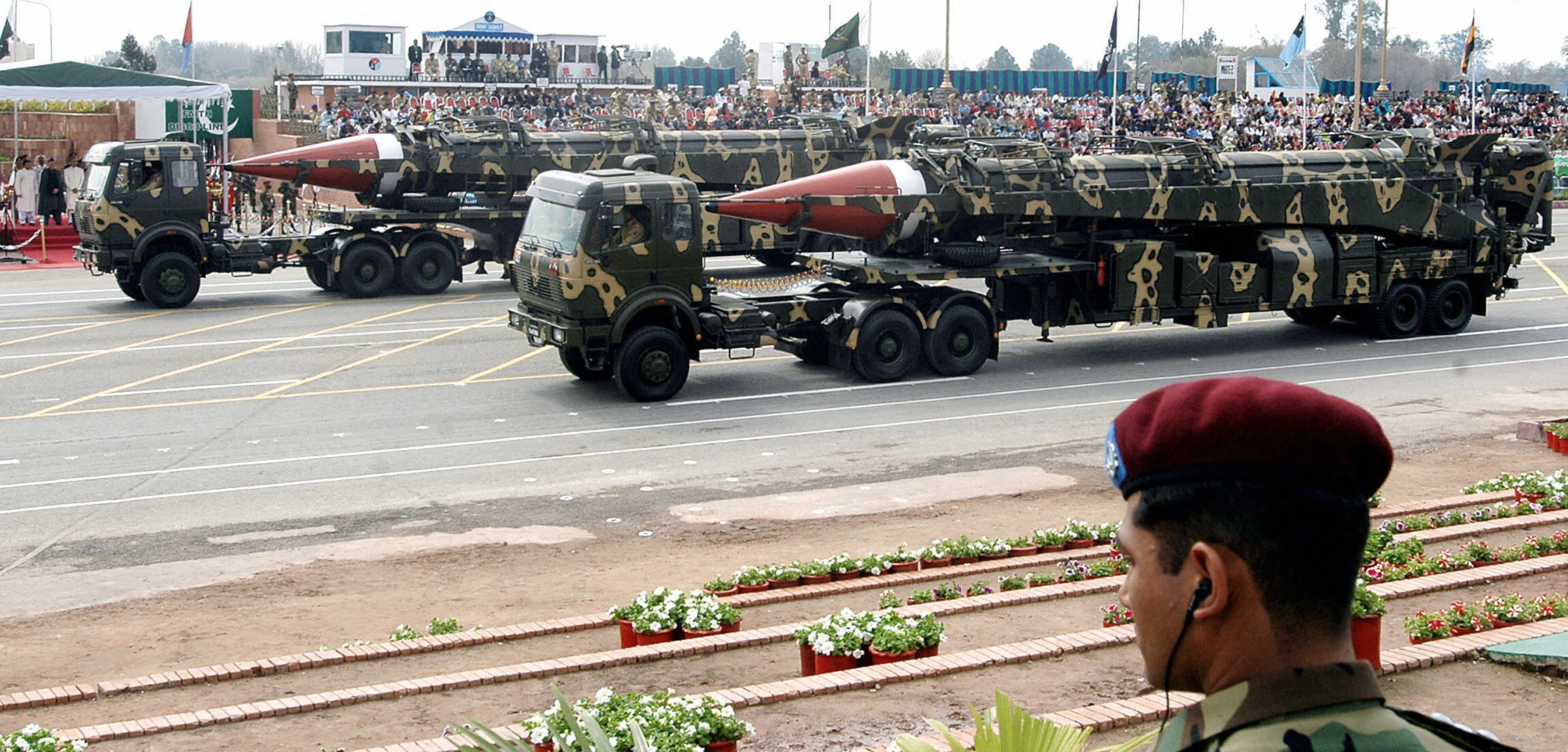 2300×1103 pakistan largest nuclear power report time from time.com
  570×404 build industrial pakistan pakistan develop nuclear from buildindustrialpakistan.blogspot.com
  640×480 list nuclear power plants pakistan names from ilm.com.pk
 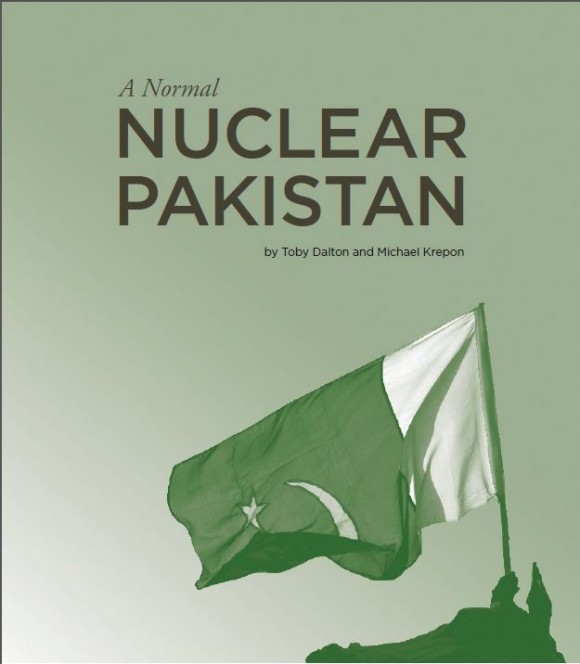 580×664 normal nuclear pakistan from www.armscontrolwonk.com
  750×369 pakistan effectively nuclear technology socio economic from pcq.com.pk
  1200×630 londoner pakistan builds nuclear power plant karachi from real-politique.blogspot.com
  800×600 pakistan interested mw nuclear power plants karachi from pakmr.blogspot.com
  1200×720 test results nuclear weapons secured pakistan herald from herald.dawn.com