Bangko Sentral ng Pilipinas (BSP)
The Bangko Sentral ng Pilipinas (BSP), the central bank of the Philippines, serves as the government’s primary financial institution, responsible for maintaining price stability, managing the country’s monetary policy, and fostering a sound and dynamic financial system. Established in 1993, succeeding the former Central Bank of the Philippines, the BSP operates as an independent body, ensuring its decisions are free from undue political influence.
Key Functions and Responsibilities
The BSP’s core functions revolve around:
- Price Stability: The BSP’s paramount objective is to maintain price stability conducive to balanced and sustainable economic growth. It achieves this through inflation targeting, setting inflation targets and employing monetary policy tools to influence interest rates and the money supply to keep inflation within the desired range.
- Monetary Policy Formulation: The Monetary Board, the BSP’s policy-making body, formulates and implements monetary policy. This involves setting the policy interest rates, reserve requirements for banks, and engaging in open market operations (buying and selling government securities) to influence the level of liquidity in the financial system.
- Bank Supervision and Regulation: The BSP supervises and regulates banks and other financial institutions to ensure their safety and soundness, protecting depositors and promoting financial stability. This includes setting prudential regulations, conducting on-site examinations, and enforcing compliance with regulatory requirements.
- Currency Management: The BSP has the sole power to issue banknotes and coins in the Philippines. It is responsible for managing the production, distribution, and destruction of currency, ensuring sufficient supply and maintaining the integrity of the currency.
- Management of International Reserves: The BSP manages the country’s international reserves, which are assets held in foreign currencies, gold, and other reserve assets. These reserves are used to finance international transactions, manage exchange rates, and maintain confidence in the Philippine economy.
- Payments and Settlement Systems: The BSP operates and oversees the country’s payment and settlement systems, ensuring the efficient and secure transfer of funds. This includes the Philippine Interbank Payments System (PIPS) and other electronic payment systems.
- Banker of the Government: The BSP acts as the banker, financial advisor, and fiscal agent of the government. It provides banking services to the government, manages government accounts, and advises the government on financial matters.
Organizational Structure
The BSP is governed by the Monetary Board, composed of seven members: the BSP Governor, a member of the Cabinet designated by the President, and five members from the private sector. The Governor serves as the chief executive officer of the BSP and is responsible for the day-to-day operations of the institution.
Impact and Significance
The BSP plays a critical role in the Philippine economy. Its commitment to price stability contributes to a stable macroeconomic environment, encouraging investment and economic growth. Its effective supervision of the financial system promotes confidence and stability in the banking sector. The BSP’s independent status allows it to make decisions based on sound economic principles, ensuring the long-term stability and prosperity of the Philippines. By fulfilling its mandates, the BSP strives to create a conducive environment for sustained and inclusive economic development for the Filipino people.
 652×522 bangko sentral ng pilipinas globeled philippines from www.globeledphilippines.com
  870×350 registration foreign investments bangko sentral ng pilipinas from doingbusinessinthephilippines.com
  1092×588 bangko sentral ng pilipinas accredits news cryptocurrency exchanges from www.btcurrencies.com
  1110×702 bangko sentral ng pilipinas logo netizens prefer from nolisoli.ph
  768×994 bangko sentral ng pilipinas from studylib.net
768×994 bangko sentral ng pilipinas from studylib.net  631×420 bangko sentral ng pilipinas holds policy rate percent from interaksyon.philstar.com
  1024×680 bangko sentral ng pilipinas central bank philippines from www.phtourguide.com
  800×533 bangko sentral ng pilipinas ready trim bank reserves from www.philstar.com
  1279×641 bangko sentral ng pilipinas bsp approves amendments pawnshop from www.affordablecebu.com
  2408×1187 time change bangko sentral adopts logo manila from www.wheninmanila.com
  1536×1228 bangko sentral launches enhanced banknotes latest anti fraud from news.abs-cbn.com
 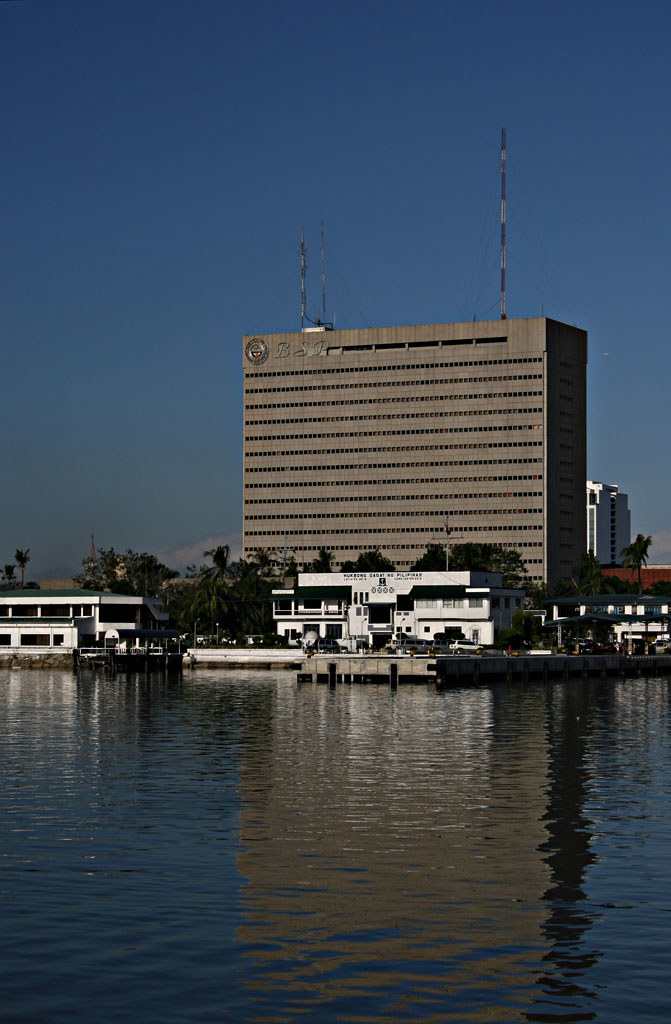 671×1024 bangko sentral ng pilipinas view bangko sentral flickr from www.flickr.com